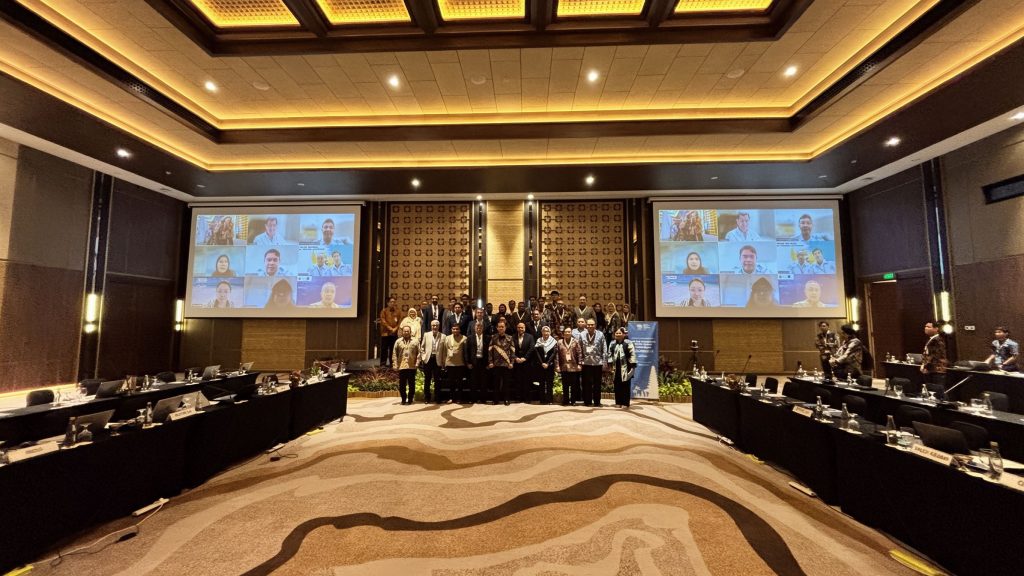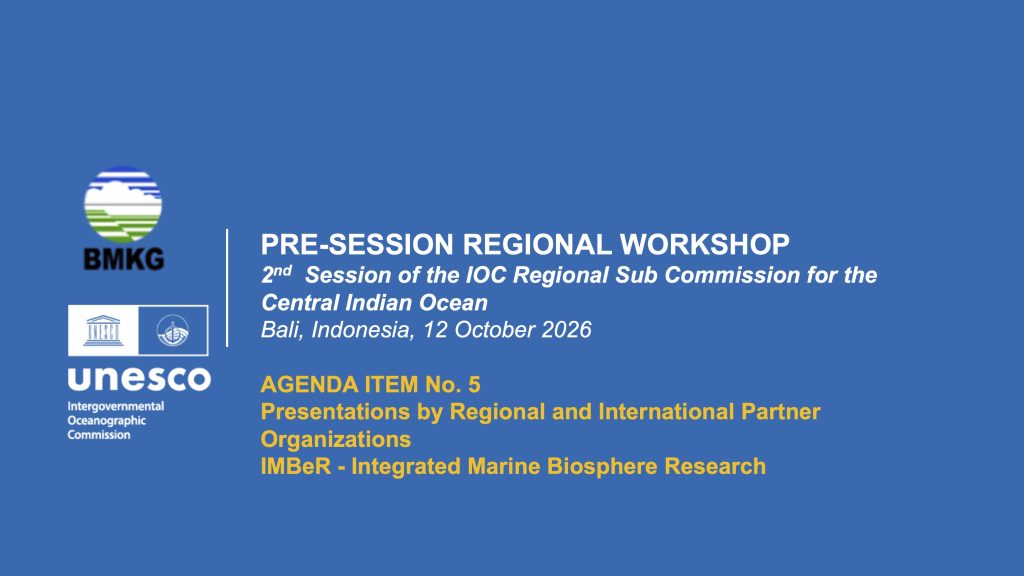
The IMBeR International Project Office (IPO) participated in the Second Intergovernmental Session of the IOC Sub-Commission for the Central Indian Ocean (IOCINDIO-2), hosted by Indonesia’s Agency for Meteorology, Climatology and Geophysics (BMKG) in Bali, Indonesia. The “IOC and the Future of the Ocean” Regional Strategy Workshop was held on 12 October 2026, followed by the formal Intergovernmental Session on 13–14 October.
“The true measure of our success in Bali will not be the documents we adopt, but the collaborations we form and the commitments we make to implement them,” said Chairperson Dr. Saif AlGhais (United Arab Emirates) in his opening remarks, noting that marine pollution, and the impacts of climate change on fisheries and weather patterns as challenges that “do not respect national boundaries.”
The meeting provided regional input to the next IOC Medium-term Strategy (2030–2037), the Indian Ocean Regional Blueprint being developed for the 2027 Ocean Decade Conference, and regional capacity-building for the BBNJ Agreement.
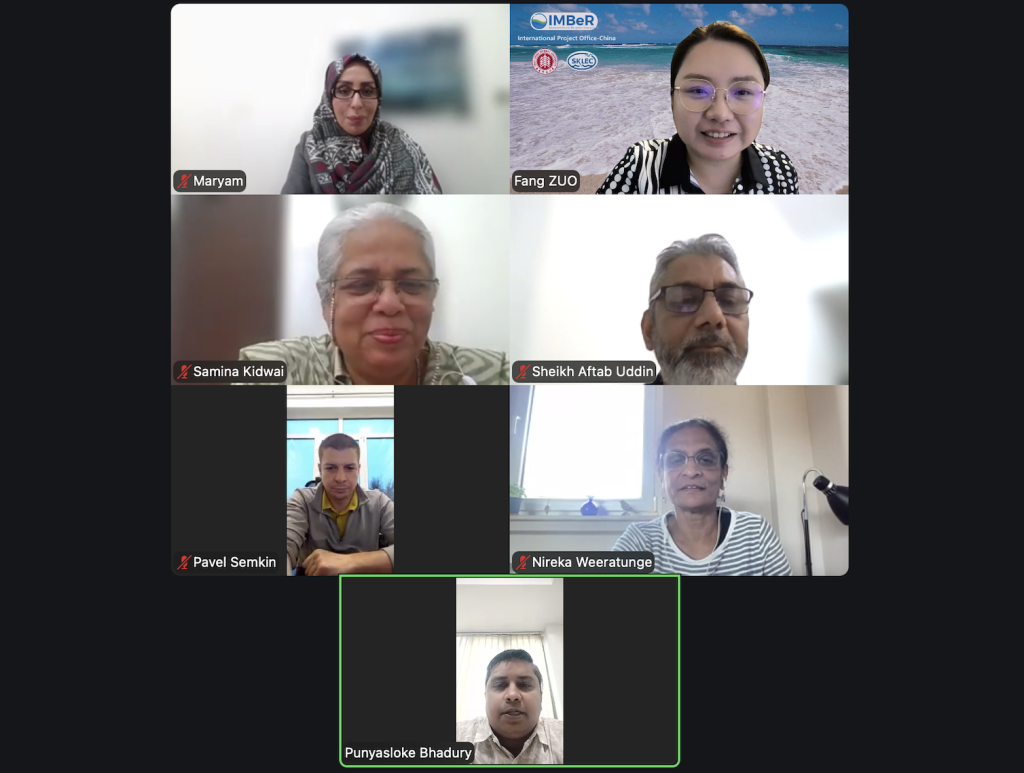
At the IOC Secretariat’s invitation, the IMBeR IPO presented the wider IMBeR community and its work in the region — including SIBER, IMBeR IPR and IMBeR OC-PC — and reported on a pre-session consultation with National Contacts in Bangladesh, India, Islamic Republic of Iran, Pakistan, Sri Lanka, and Russian Federation. The IOC High-Level Objectives have remained highly relevant for more than a decade; the consultation identified sustained observation and data sharing, multi-hazard early warning, climate-resilience activities, and science-based tools and products as the priorities for which regional cooperation is most needed. Continued communication and joint follow-up between the IMBeR community and IOCINDIO were recognised as essential to turn these priorities into concrete activities.
The IMBeR IPO is grateful for the invitation and looks forward to continuing to work with regional and international partners. The IMBeR IPO, hosted at the State Key Laboratory of Estuarine and Coastal Research (SKLEC), East China Normal University, was represented online by Fang Zuo.